We Analyzed 56 Winning Supplement Ads. Here's What Actually Converts in 2026
Quick Answer
After analyzing 56 winning supplement ads on Meta in 2026, we found that long-form story ads with image creatives outperform video UGC by a 4:1 ratio. The dominant format is a personal story (500-1000 words) paired with a simple lifestyle image, using doctor-authority or first-person testimonial personas.
We analyzed 56 winning supplement ads on Meta, each scoring 91/100 or higher on GetHooked. The result surprised us.
Long-form story ads with image creatives outperform video UGC by a 4:1 ratio. The dominant format isn’t a polished video or a talking-head testimonial. It’s a personal story of 500 to 1,000 words paired with a simple lifestyle image. That’s it.
If you’re still betting everything on short-form video UGC in 2026, this post will change how you think about supplement creative.
The Big Finding Everyone Gets Wrong
Everyone in DTC right now is chasing UGC video. Talking-head testimonials. Influencer clips. Raw iPhone footage with bad lighting.
The data doesn’t support it. At least not for supplements.
Of the 56 ads we analyzed across calm/stress supplements, mushroom coffee, and general wellness, the overwhelming majority of top performers were image + long-form text. Long, personal, story-driven text paired with a single clean image.
This isn’t an accident. It’s a pattern.
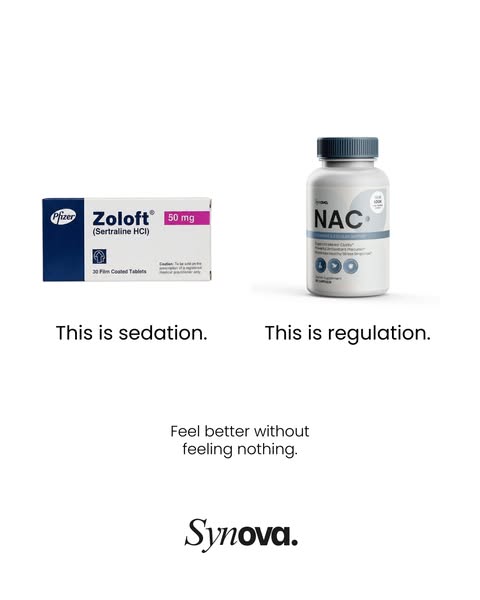
The reasons are structural. Supplement buyers are skeptical. They’ve been burned by overpromised products. They’re searching for someone who understands their problem before they trust a solution.
A 30-second video doesn’t build that trust. A 700-word story from someone who’s been through exactly what they’re going through? That does.
Brand #1: AG1 and the 500-Ad Machine
AG1 is running approximately 500 active ads simultaneously on Meta right now.
That’s not a typo. Five hundred.
Most brands run 10 to 20 ads and call it a testing strategy. AG1 runs 500 because they’ve built a machine that keeps only winners alive. Every ad that stops performing gets cut. Every ad that scales gets duplicated and iterated.

Their top-performing hooks aren’t fancy:
- “4 reasons I drink this every morning”
- “Why I quit all my supplements and switched to this”
Notice what these have in common. They’re both first-person. They both set up curiosity without giving away the answer. And the list format (“4 reasons”) creates an implicit promise. Keep reading and you’ll get all four.
What to steal from AG1:
- Run more ads than feels comfortable. Most brands under-test.
- Use list-format hooks (“X reasons I…”). They create a reading contract with the viewer.
- First-person framing beats third-person brand voice for supplement creative.
- Kill losers fast. AG1’s edge isn’t just launching ads. It’s pruning them ruthlessly.
Brand #2: RYZE Superfoods and the Permission Hook
RYZE mushroom coffee has been running one of their top performers since January 2, 2026. Over two months straight. On Meta, that longevity means one thing: it’s printing money.
The hook: “Read This If You Drink Alcohol Regularly.”
This is a masterclass in permission-based targeting. They’re not saying “buy our mushroom coffee.” They’re not even talking about mushroom coffee yet. They’re identifying a behavior and telling a specific group of people that this message is for them.
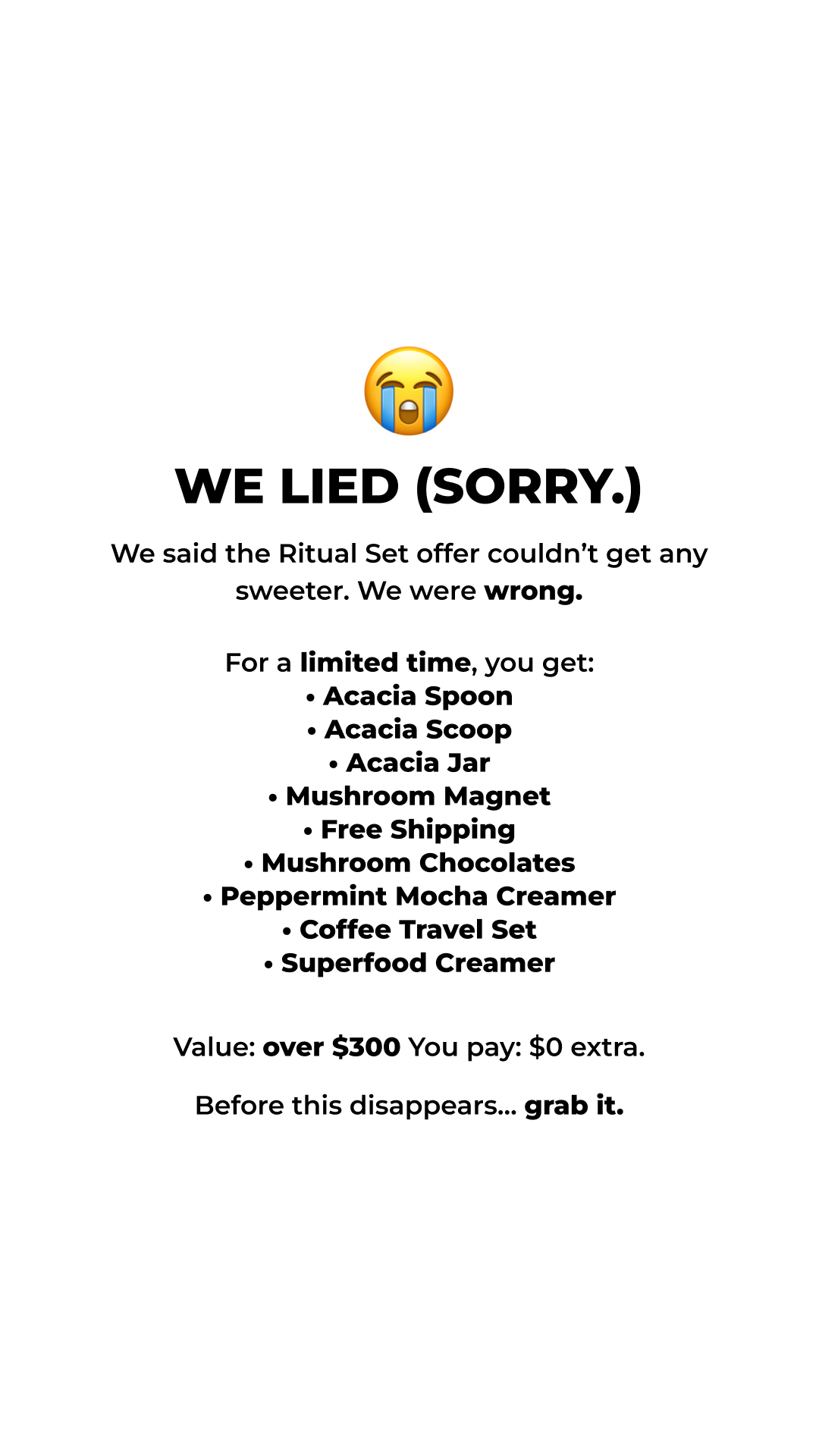
People who drink alcohol regularly and feel vaguely bad about it (tired, foggy, looking for a healthier morning routine) self-select into reading this ad. Everyone else scrolls past. That’s exactly what you want.
The “Read this if…” hook format is one of the most reliable patterns we saw across the 56 ads. It works because it creates identity-based relevance before anyone reads a single word of body copy.
What to steal from RYZE:
- Lead with the audience before you lead with the product.
- “Read this if you [behavior/situation]” outperforms generic hooks for niche supplements.
- Behavior-based targeting in the hook converts better than outcome-based hooks (“want more energy?”). It meets people where they are, not where they wish they were.
- If an ad runs 60+ days without being killed, study it like scripture.
Brand #3: Dr. Ian Thomas and the Doctor Authority Play
Dr. Ian Thomas has been running “Stop panic attacks, naturally” since January 4, 2026.
Two months. Calm/stress supplement space. Doctor persona. That combination works for a specific reason: the supplement buyer for anxiety and stress products is uniquely skeptical of marketing and uniquely trusting of medical authority.
The word “naturally” is doing heavy lifting here. It signals that what follows won’t involve prescriptions, side effects, or pharmaceutical dependency. That’s exactly what this audience is trying to avoid.
The doctor authority pattern we saw repeatedly across the 56 ads follows a predictable structure:
- Establish credentials upfront (“As a doctor who has treated 2,000+ patients with anxiety…”)
- Validate the reader’s frustration (“Most of what you’ve been told about stress is wrong”)
- Offer the contrarian insight (“The real cause isn’t what you think”)
- Introduce the solution as discovered, not sold
The ad reads like a practitioner sharing a finding, not a brand selling a product. That framing is the whole game.
What to steal from Dr. Ian Thomas:
- If you can attach a real or credible medical professional to your brand, do it.
- The doctor persona works best in anxiety, sleep, cognitive, and hormonal supplement categories.
- Structure the copy as a clinical observation, not a sales pitch.
- “Stop [problem], naturally” is a proven hook template for this persona type.
Brand #4: The Serenity Times and the Agony Story
The Serenity Times runs ads that open like this: “I Spent Three Years Trying To Calm My Anxious Mind…”
Three years. That’s the key number. Not “for a while.” Three years, with a number. Specific timeframes signal authenticity. Vague language signals marketing.
The first-person agony story format is the workhorse of supplement advertising. The structure is simple:
- Agony: I suffered, I tried everything, nothing worked
- Discovery: Then I found this (or learned this)
- Transformation: Here’s what changed
- Invitation: You can have this too
The Serenity Times executes this cleanly. Their ad reads like a personal confession, not a product description. And critically, it’s long. Not 100 words. Not a caption. It’s a story that earns the reader’s attention through narrative momentum.
What to steal from The Serenity Times:
- Use specific numbers in your agony framing (“three years,” “47 different supplements,” “woke up at 3am every night for six months”).
- Write like a person, not a brand. Journal-entry language.
- The agony-to-transformation arc only works if the agony section is long enough and specific enough to feel real.
- Format matters: single-image, left-aligned body text, no fancy design. It should look like someone’s personal post.
The Anger Hook Pattern
One of the consistent patterns we flagged is what we call the anger hook. Ads that position conventional medicine or the medical establishment as the obstacle.
“Your doctor will never tell you this.” “The supplement industry doesn’t want you to know…” “Why everything you’ve been told about anxiety is wrong.”
This hook works because it reframes the reader’s history of failure. If they’ve tried things before and they didn’t work, it’s not because supplements don’t work. It’s because the right information was kept from them. That reframe is emotionally powerful.
It also creates tribal identity. The reader sees themselves as someone who’s finally found the truth. That’s a strong emotional state to buy from.
Use this hook carefully. It attracts a cynical, savvy audience that will hold you to a high standard. The body copy needs to deliver actual contrarian insight, not just repackaged common knowledge.
CTA: Why LEARN_MORE Beats SHOP_NOW
Across the ads we analyzed, LEARN_MORE consistently outperforms SHOP_NOW as the primary CTA button for supplement brands.
Someone reading a long-form story ad about anxiety supplements isn’t in “buy now” mode. They’re in “is this real, can I trust this” mode.
SHOP_NOW breaks the spell. It reminds them they’re looking at an ad.
LEARN_MORE keeps the narrative alive. It says: there’s more to discover. It’s a low-commitment next step that feels congruent with the story-based creative that drove the click.
Match your CTA energy to your creative energy. Long-form story ads pair with LEARN_MORE. Direct offer ads with price anchoring pair with SHOP_NOW.
The Three Hook Patterns That Dominate
Across all 56 ads, three hook structures dominated:
- List format: “4 reasons I drink this every morning” (AG1)
- Permission filter: “Read this if you drink alcohol regularly” (RYZE)
- Agony opener: “I spent three years trying to calm my anxious mind” (The Serenity Times)
All three create immediate forward momentum. They make a promise, establish relevance, or trigger recognition in the first line.
What almost none of the winners do: start with the product.
No “Introducing [Product Name].” No “[Brand] is proud to offer…” The product shows up after the reader is already emotionally engaged. That sequencing is the core skill in supplement ad creative.
What This Means For Your Supplement Creative in 2026
Stop starting with video. Test image + long-form text first. The data supports it.
Pick one of the four winning personas (doctor authority, first-person story, list hook, or anger hook) and write 5 variations. Pair each with a clean lifestyle image. Run them for $20/day each.
The winners will tell you what your video scripts should say. The losers cost you almost nothing to find.
That’s the playbook the highest-performing supplement brands are running right now. Not more video. Not more influencers. Better stories.
Want ads built on these exact frameworks? Get started with APXlab